Tato

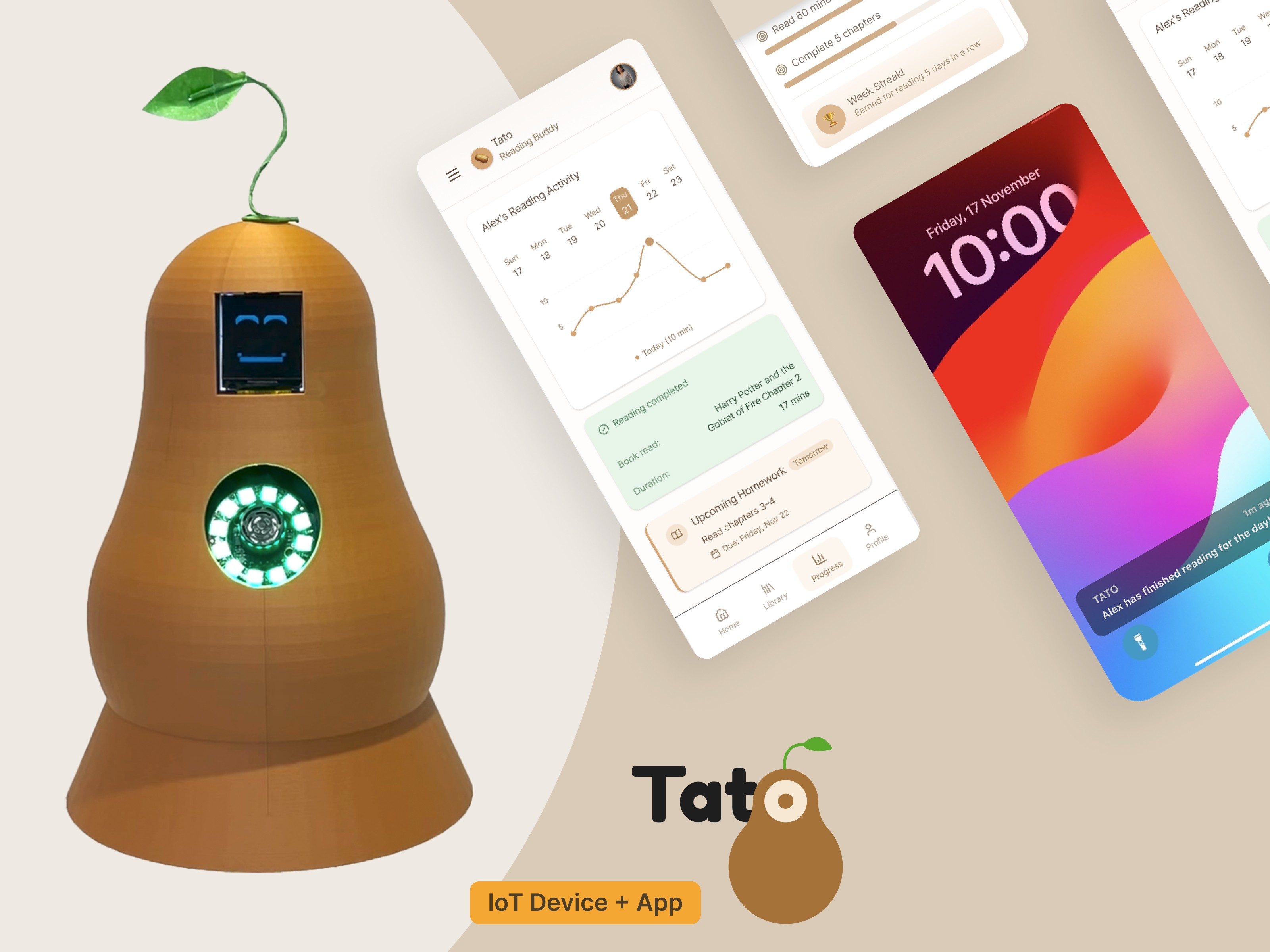
An adaptive reading companion that helps children reconnect with reading in a world full of digital distractions. Through expressive voice interactions, motion sensing, and playful book trailers, Tato invites kids to read at the right moment.

Role

UX Researcher & Designer

Team of 4

Project Duration

September - December 2025

Focus

IoT Tech

Pervasive Design

EdTech
The Problem

Declining Interest in Reading Among Children

Our team shares a love of reading and believes that encouraging children to read is important. Reading has been a gateway to comfort, adventure, and new insights. We want to help kids enjoy reading as much as we do.


Beyond personal interest, there is high need for habitual reading. There is a positive, significant relationship between a culture of habitual reading and student’s critical thinking abilities (Agustina et. al 621). However, daily reading for pleasure has declined in the United States more than 40% during the past 20 years (Bone et. al 7). Reading is important, especially for children, and this decline has motivated us to develop an IoT device to promote reading.

User Research Methods

Diary Study

Participants: 7

Recruitment:

  • Team's personal network

Format:

  • 3-5 days of participation from child & parent.

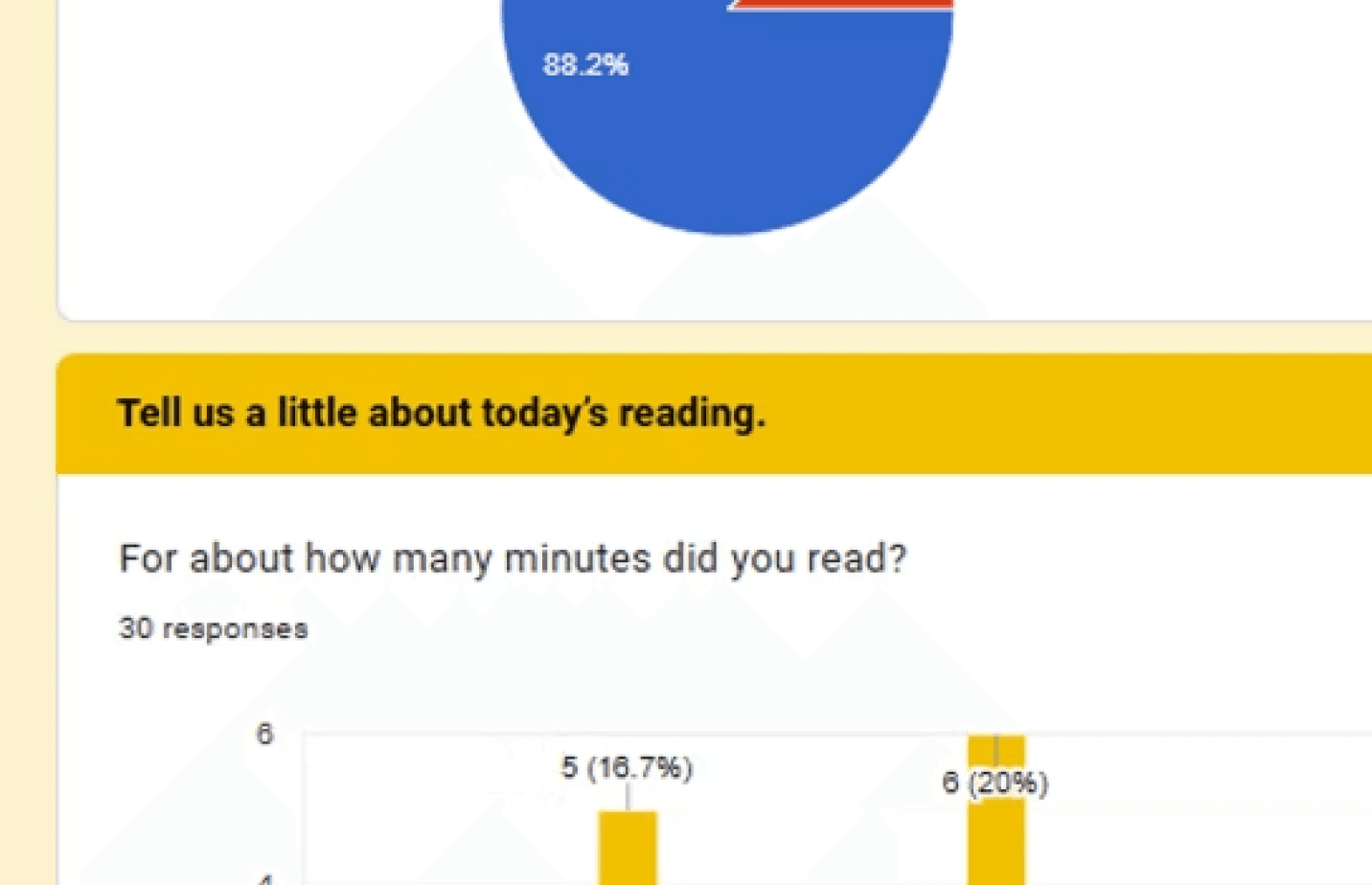
  • Daily Google forms filled out by child & parent (5 questions and < 5 minutes per entry).

  • Exit interview at end of study to share final insights.

Incentive: Child participants received free sticker pack after completing at least 3 days of the study.

Survey

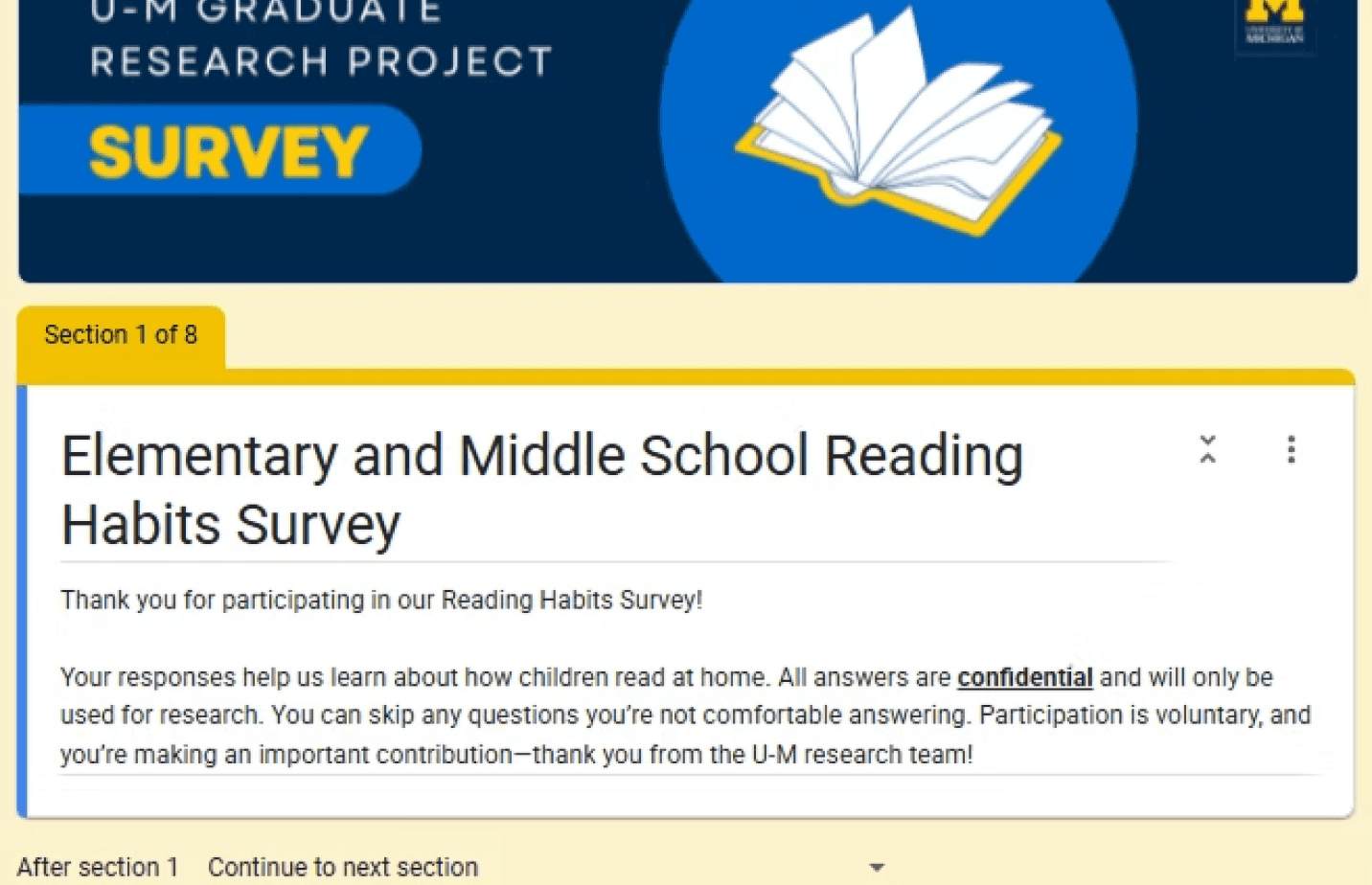
Participants: 29

Recruitment:

  • Ann Arbor Parents FB Group

Participant Requirements:

  • Must be a parent, guardian, or primary caregiver of a child aged 7–13.

  • Should be involved in the child’s reading activities.

  • Willing to complete an online survey in English.

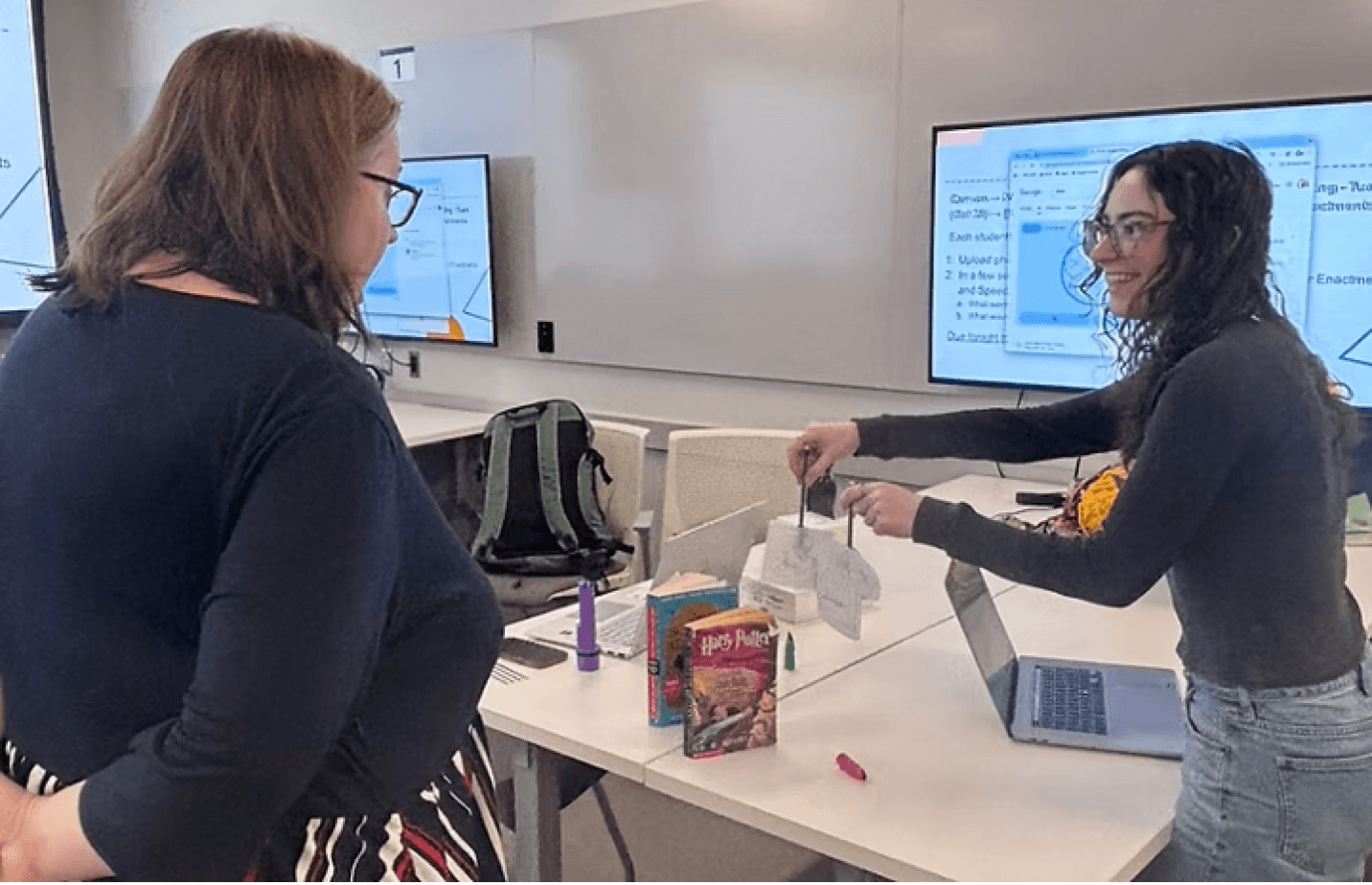
User Enactments

Participants: 7

Scenarios:

  • Device detects motion near book and initiates a "teaser trailer" with visuals & sound.

  • A clip-on device that senses pages turned—utilizing a light to signal completion.

  • Device uses light & sound to signify reading time.

  • Device detects people in a room and suggests they read together. Device listens to progress and prompts reflection points.

  • Child returns home, device reminds them of reading assignments and offers time estimate for completion.

Research Insights

Child User

Engagement Hurdles: Reading is often viewed as a chore compared to "fun" activities (TV or sports); actual reading time is heavily dependent on parental reminders and the child's current mood.


Accountability Gaps: Without supervision, children often engage in "page flipping" to simulate progress without actually consuming the content.


Contextual Utility: Children primarily read to fulfill school requirements and do so across various physical environments rather than one fixed location.

Parent User

The Participation Gap: Parents desire involvement in the reading process but lack the time to physically sit and read with their child every day.


Digital Fatigue: There is a strong parental mandate to reduce screen time and avoid the distractions common with touch-screen tablets.


Value of Consistency: Parents believe children thrive under structured routines and consistent, predictable communication.

Design Implications

Child User

Gamified Motivation: The interface should utilize entertaining concepts (like "movie-style" trailers) to reframe reading as a high-interest activity.


Verification Mechanisms: The device must include accountability features or sensors to ensure the child is actively reading rather than just flipping pages.


System Integration: To streamline schoolwork, the device must sync directly with school assignment platforms and remain portable for multi-environment use.

Parent User

Asynchronous Monitoring: The device should provide automated progress updates and summaries to parents, allowing them to stay involved without being physically present.


Analog-First Hardware: The physical design should be screenless (or utilize non-touch, low-stimulation displays) to align with "no-screen" household goals.


Routine Automation: The device should feature scheduled, consistent prompts or interactions that help the child maintain a daily reading habit independently.

Meet the Users

Primary: Alex Johnson

Age: 8 years old


Challenges:

  • Struggles to read for fun and prefers drawing or playing video games


Needs:

  • To have fun

  • Engaging support

Secondary: Christine Johnson

Challenges:

  • Struggles to be consistent with Alex's reading routine and juggles a full-time job in addition to parenting.


Needs:

  • Wants simple progress visibility

  • Prefers supportive reminders

  • Needs control over device's functionality

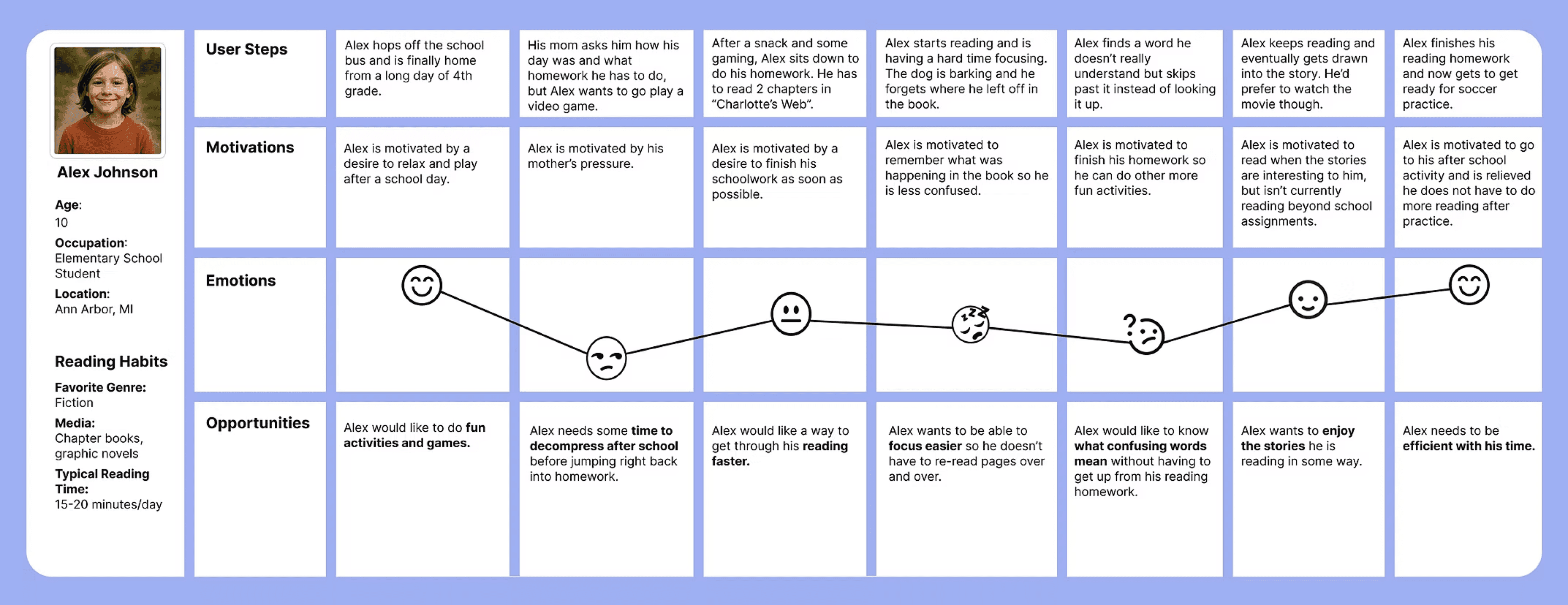
Alex’s Journey Map

We crafted a journey map of Alex's steps, motivations, emotions, and IoT opportunities on a typical day. He struggles with staying focused, understanding unfamiliar words, and truly enjoying the stories he reads. He wishes he could get through his reading more efficiently and have more time to do the hobbies he enjoys.

Key Features

Motion Sensing

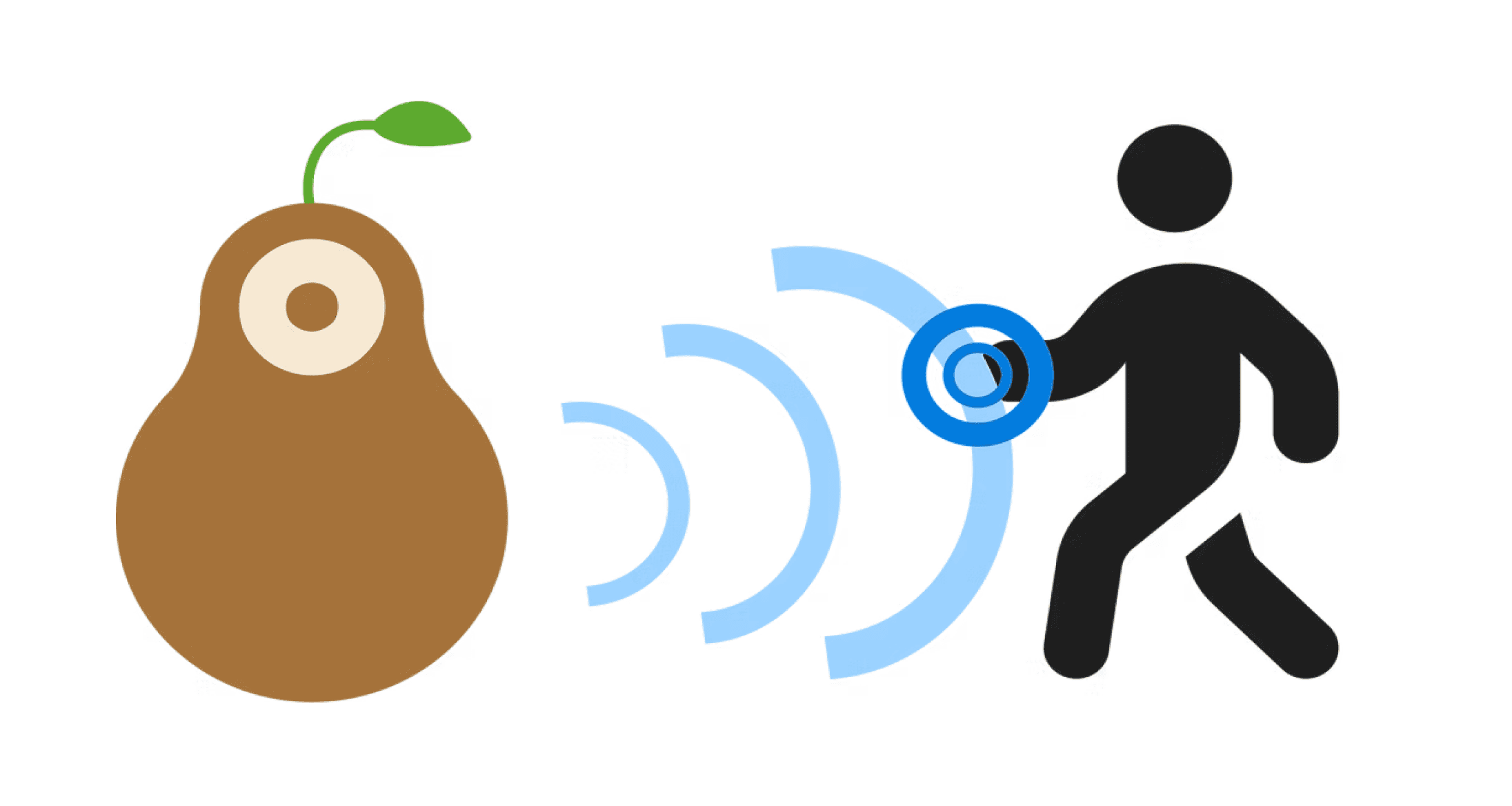
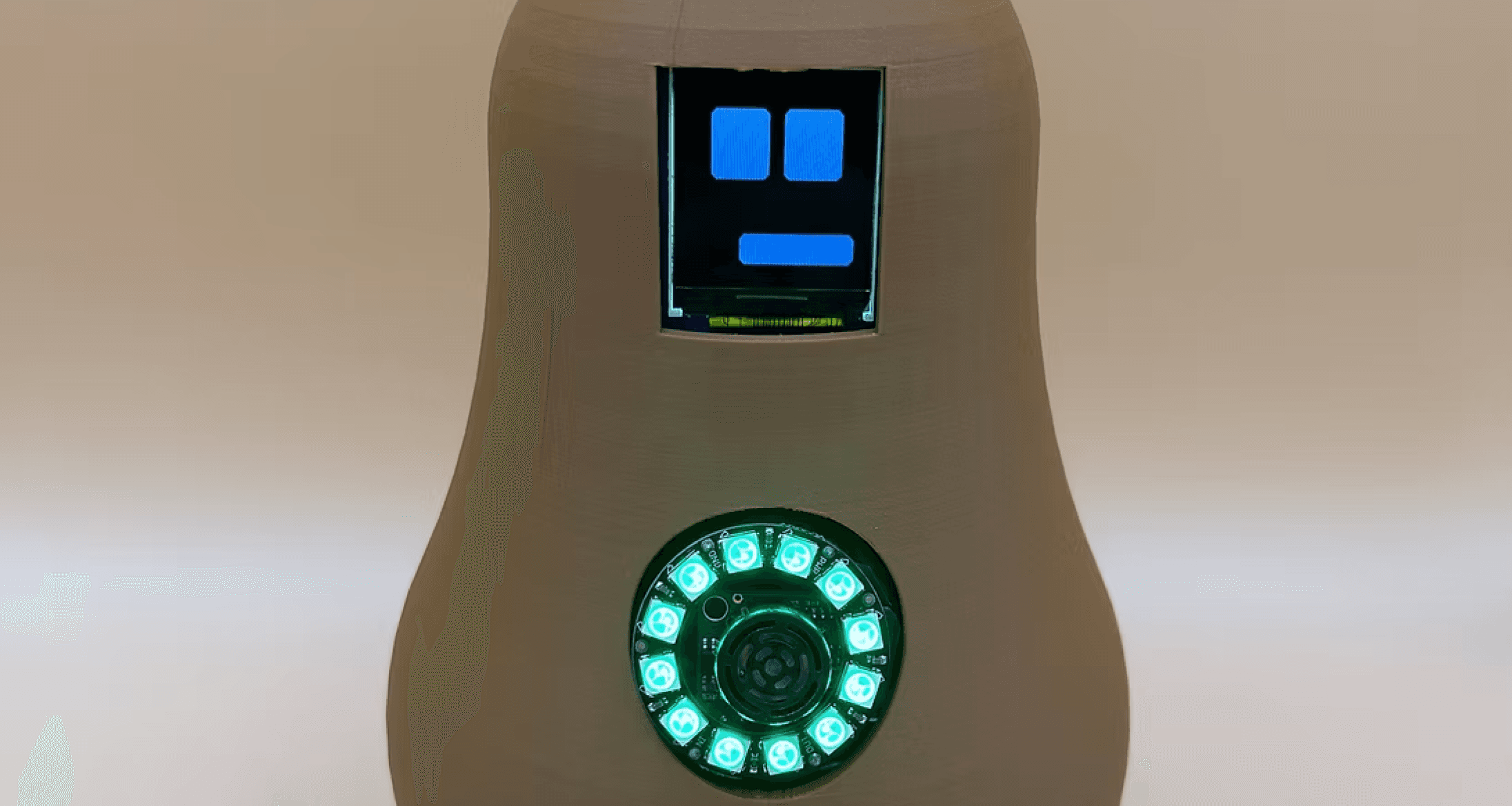
Tato leverages a MaxBotix LV-MaxSonar-EZ1 ultrasonic rangefinder sensor to detect when a user is within listening range. When motion is sensed, Tato's inner light glows green to signal activation, followed by a friendly vocal greeting. While Tato can be activated with the voice trigger ("Hey, Tato"), motion-based activation offers a reliable, low-friction entry point for engagement.
Data Sharing to Companion App

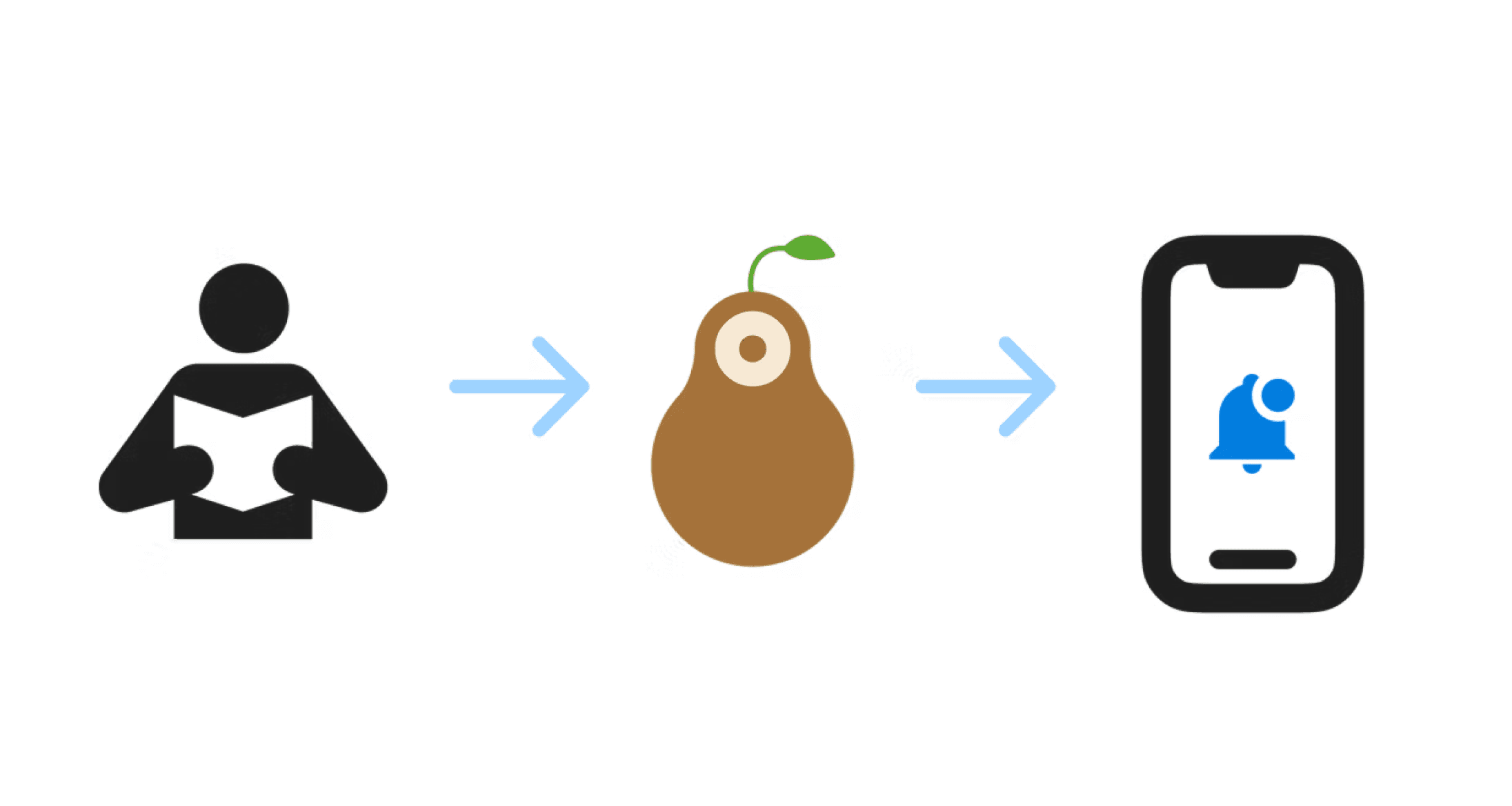
Tato sends regular notifications to keep parents informed on their child's reading habits and progress. In the companion app, parents can view weekly progress reports, current book info, reading session info, and upcoming reading homework assignments.
Voice Recognition & NLP

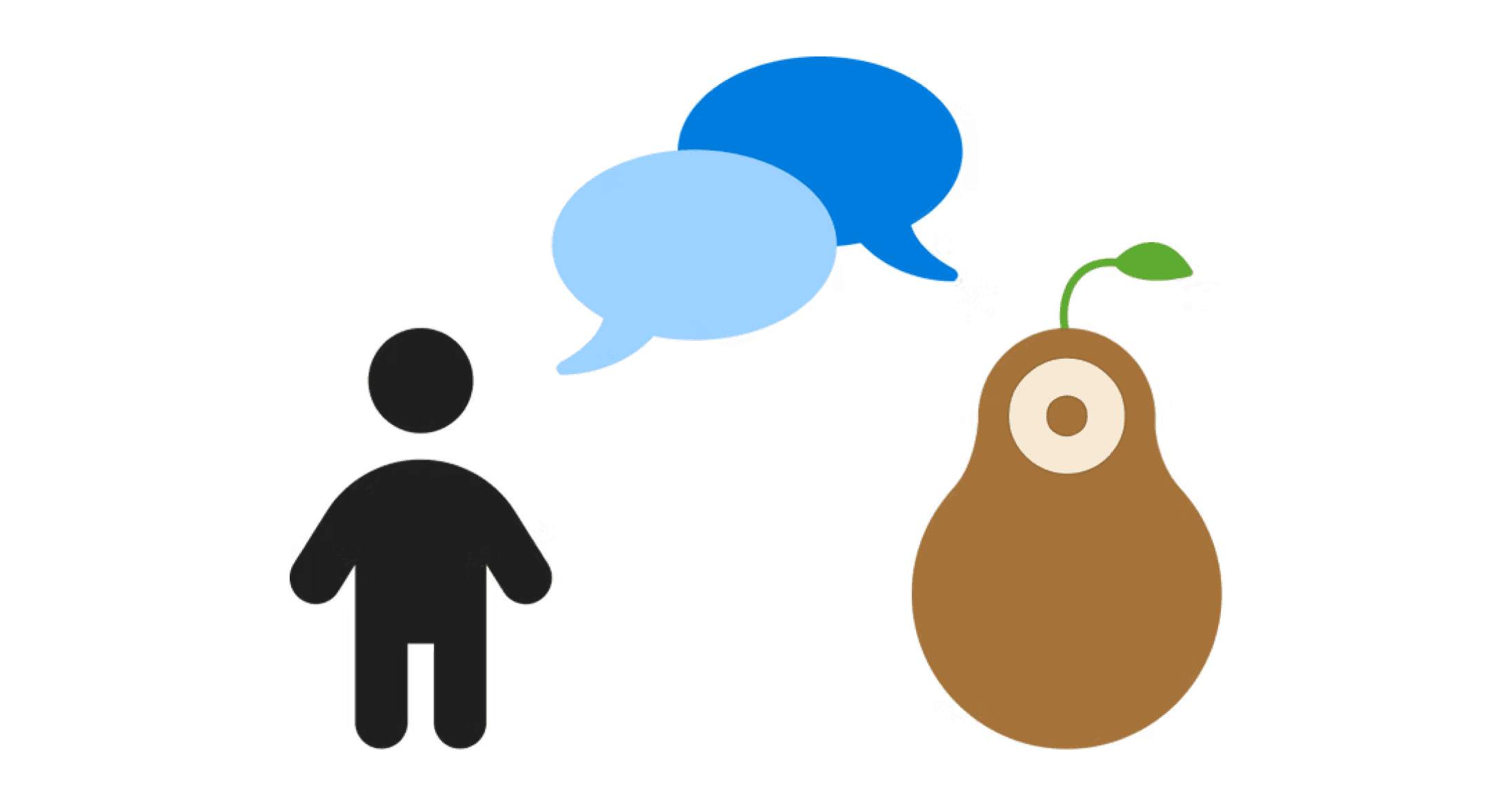
Users can speak directly to Tato using the trigger phrase ("Hey, Tato"), or by replying to Tato's automatic prompts. Tato's natural language processing help build a friendly rapport with the user. Through questions about the user's mood, Tato suggests the optimal time for a reading session.

Animated Book Trailer

Tato motivates users with an animated "trailer,” offering a sneak peek of what happens next in their book. Tato projects a short animated clip on the surface in front of it, paired with matching audio to signal the user's attention if they don't immediately see the projection.
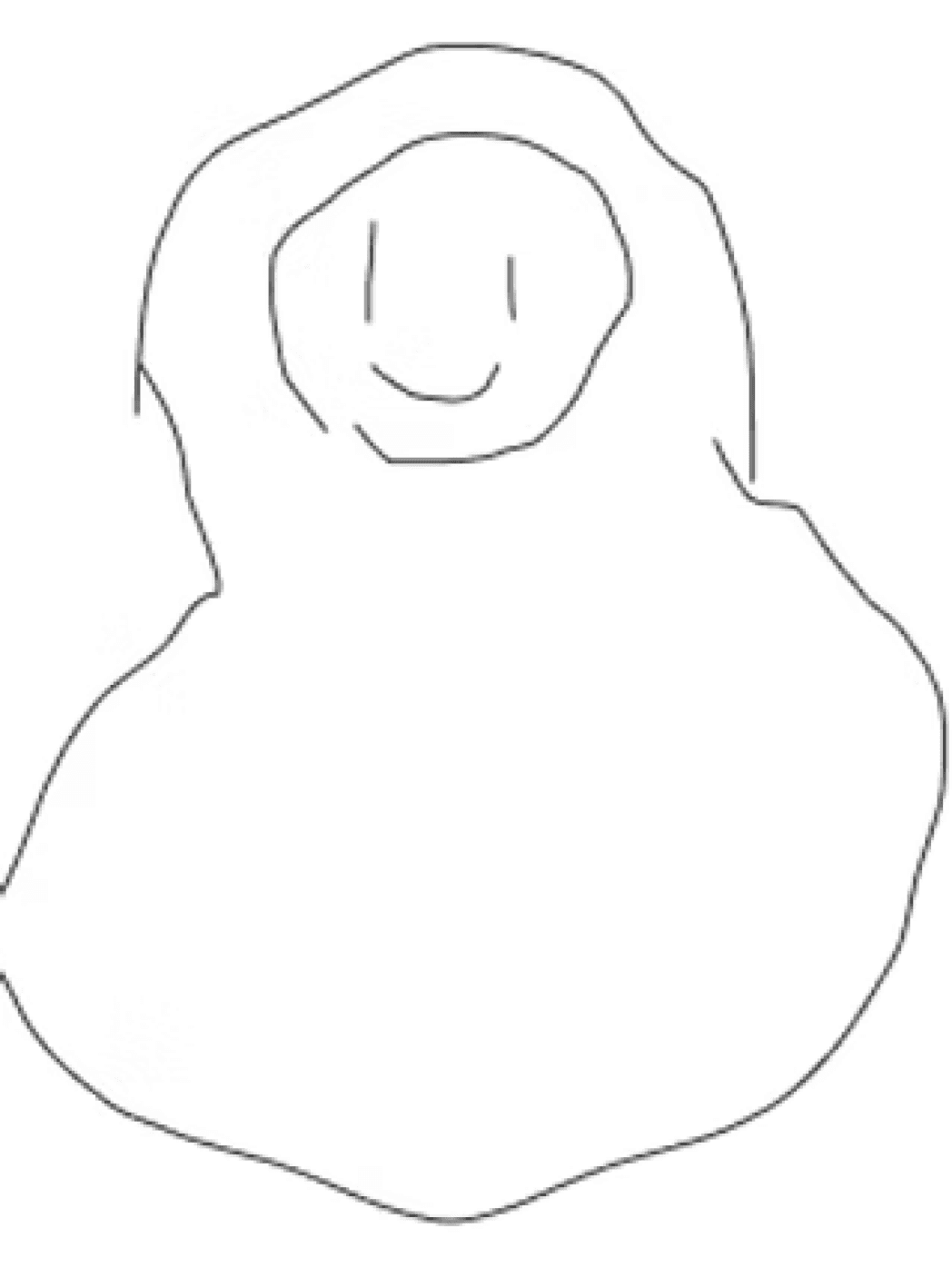
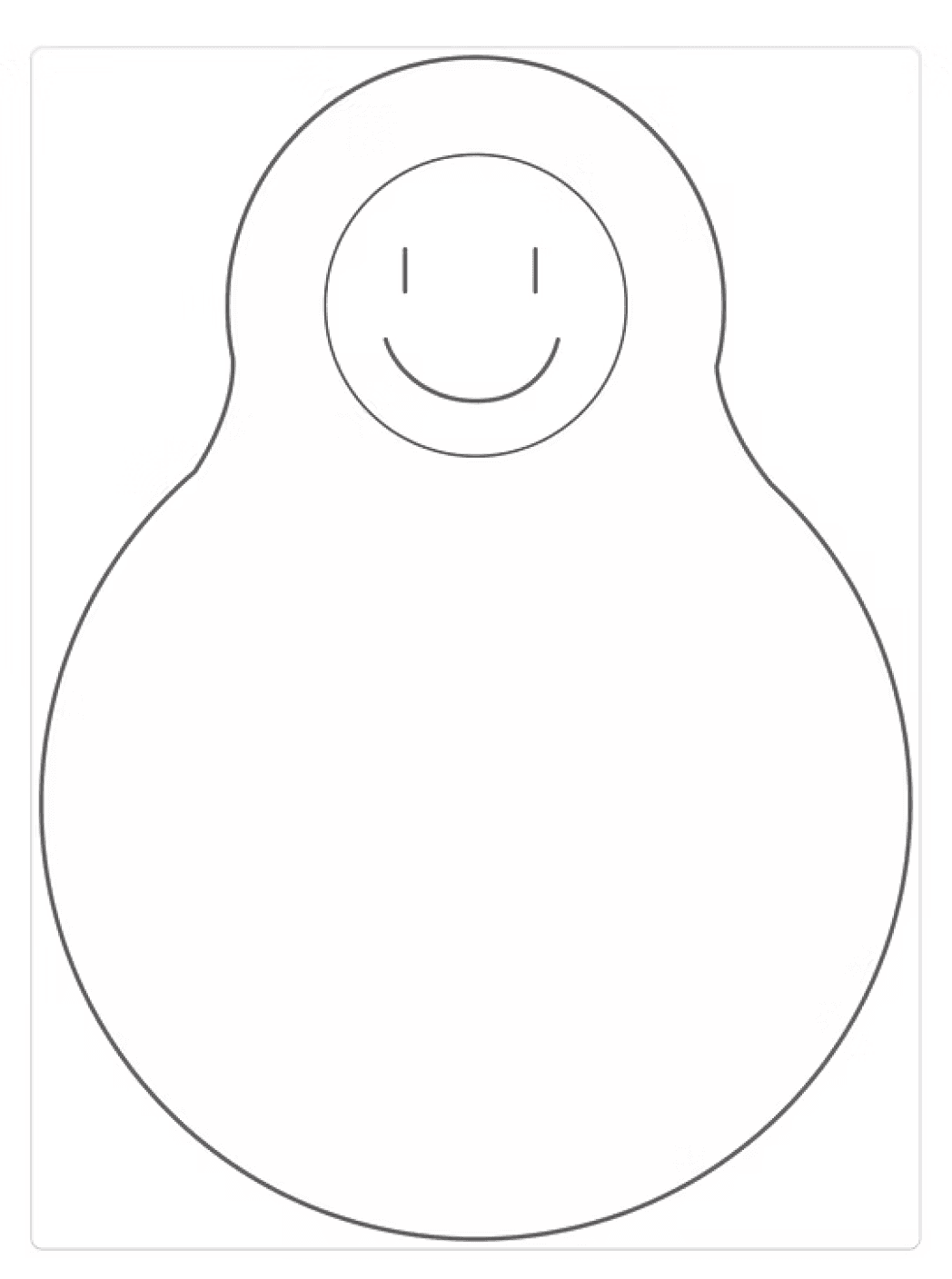
Sketch to Prototype

Wizard of Oz Demo

Teaser Trailer

We created a low-fidelity version of Tato’s story-teaser feature by projecting animated scenes paired with audio narration. This setup allowed us to explore how visual storytelling could make reading feel more engaging and exciting for children.
Smart Responses

In order to simulate how Tato might check in, respond to mood, and remind children to read, we leveraged a manual text-to-speech program. This allowed us to test tones, phrasing, and timing patterns for Tato's voice.
Motion Sensing

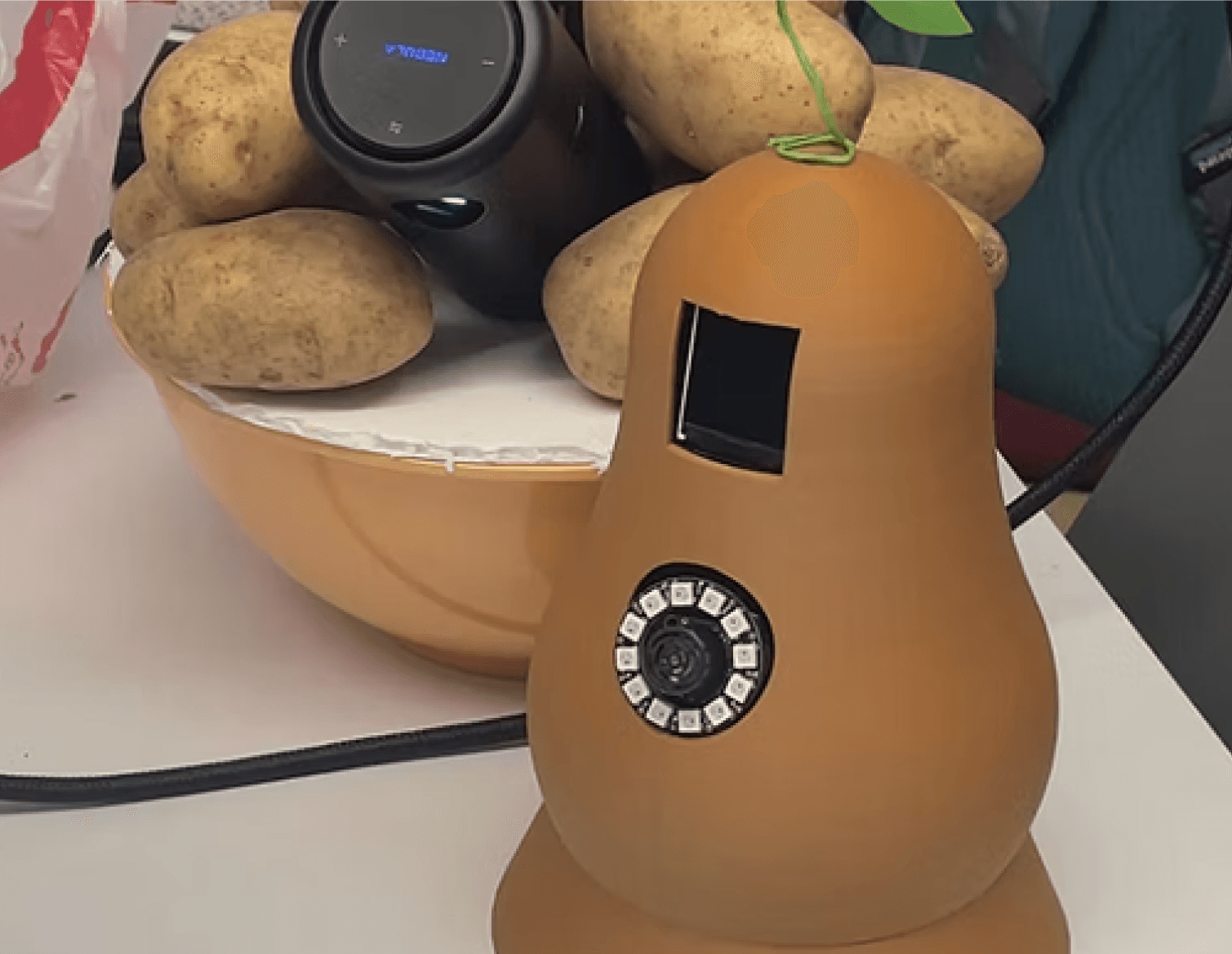
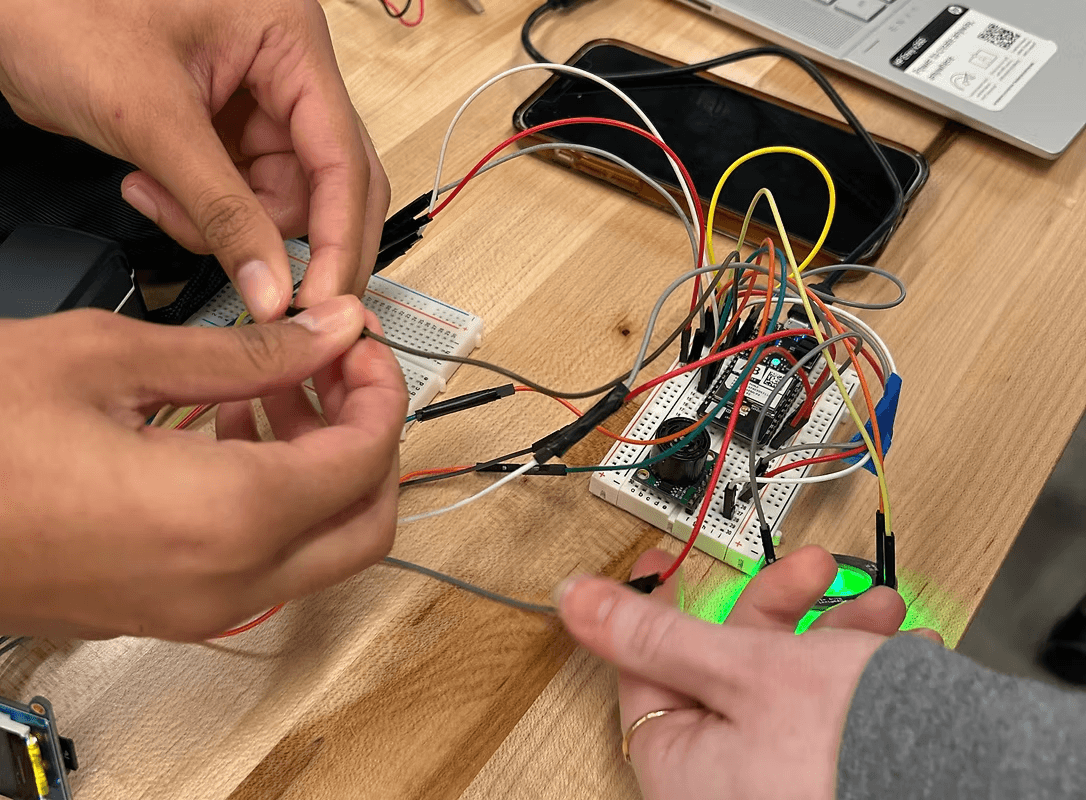
We prototyped Tato’s motion-based activation by building a simple physical setup using a motion sensor. When the sensor detects movement, our prototype triggers two responses: an internal Neopixel that glows green to mimic Tato “waking up,” and a Wizard of Oz simulated audio greeting.
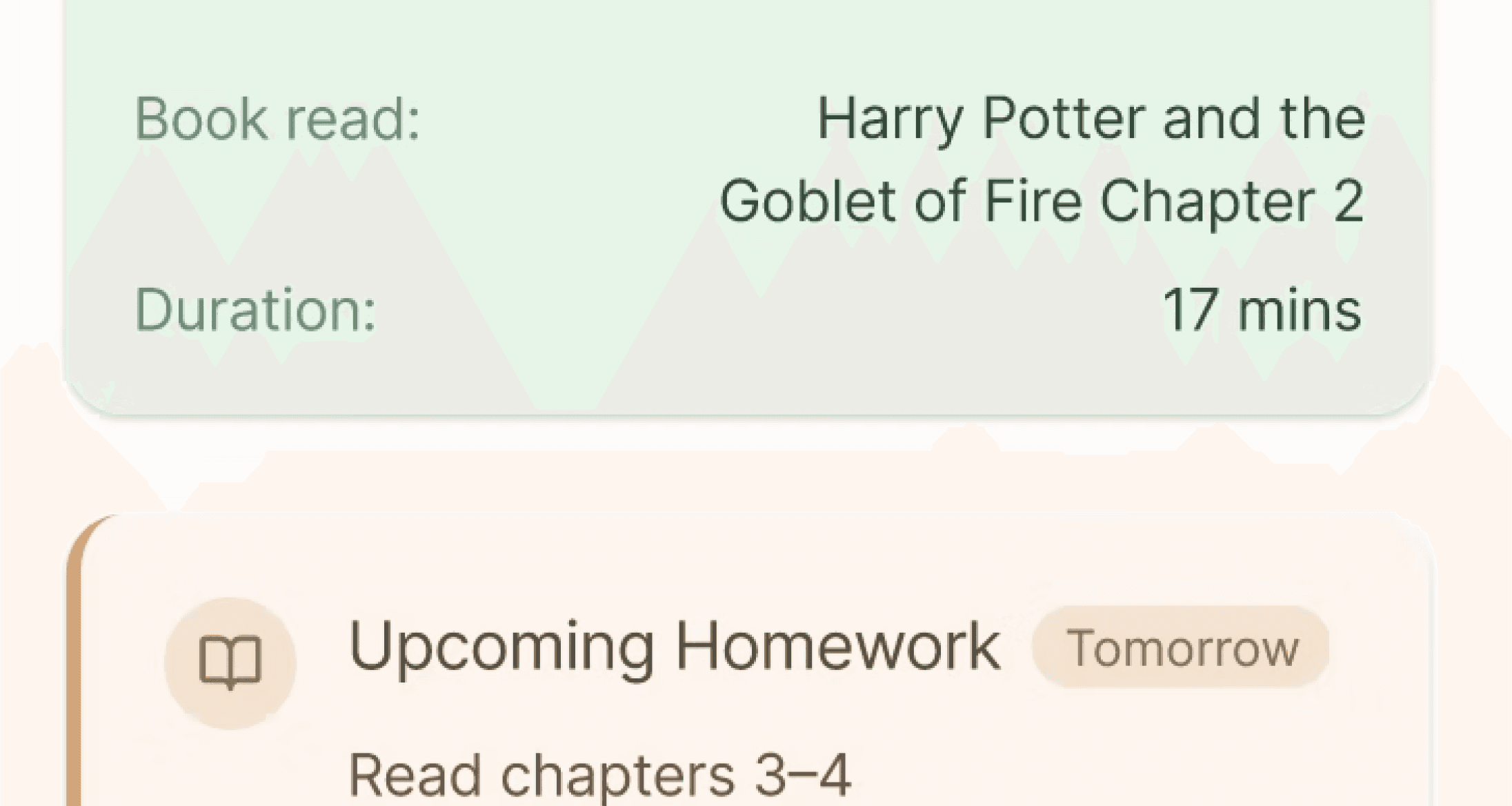
Mobile App Notifcations

We designed a digital mockup to illustrate the parent-facing app experience. Caregivers receive push notifications when a reading session is completed, and the app provides a weekly progress view that visualizes reading trends over time.

My Takeaways

Innovative Solutions

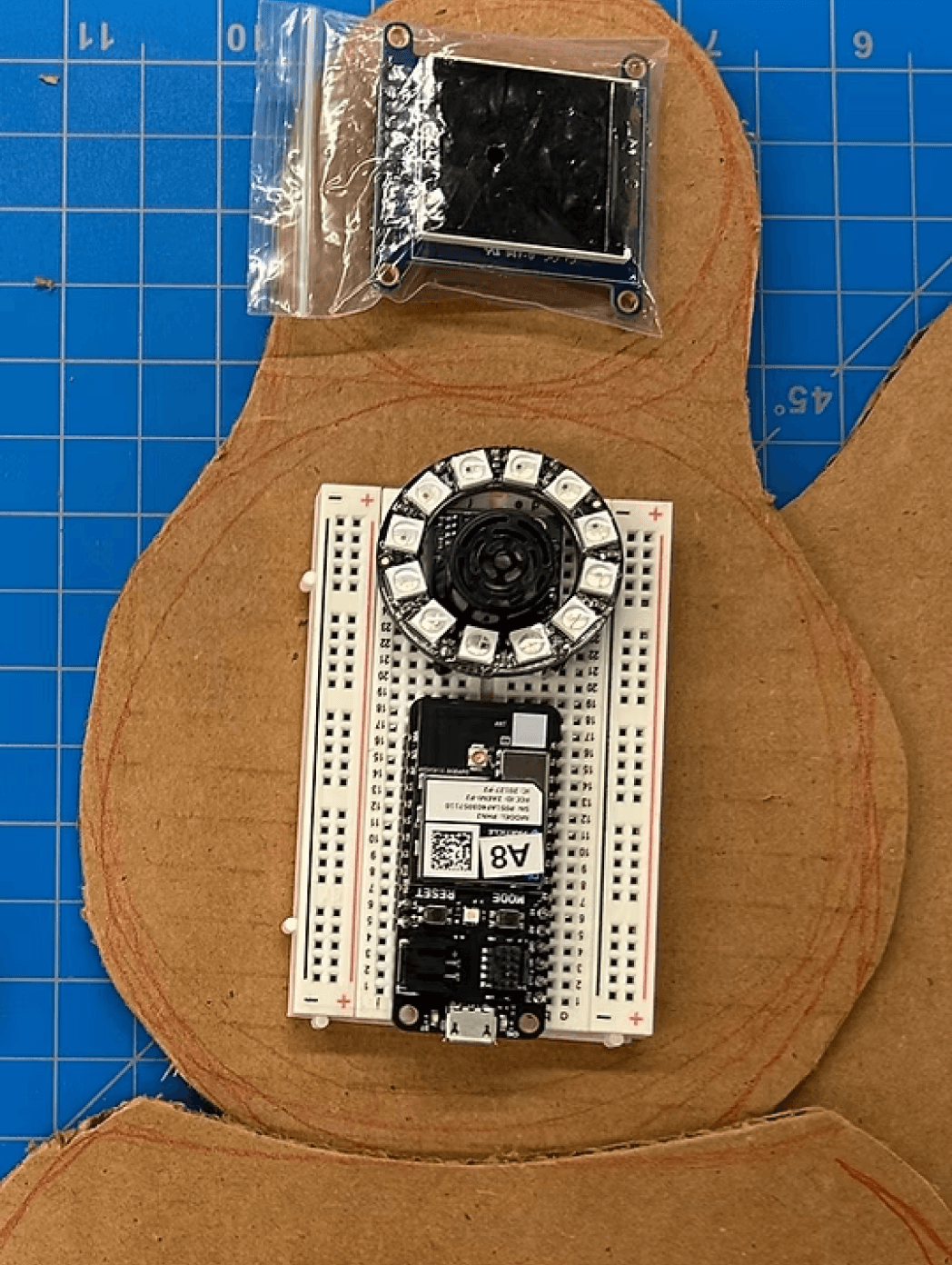
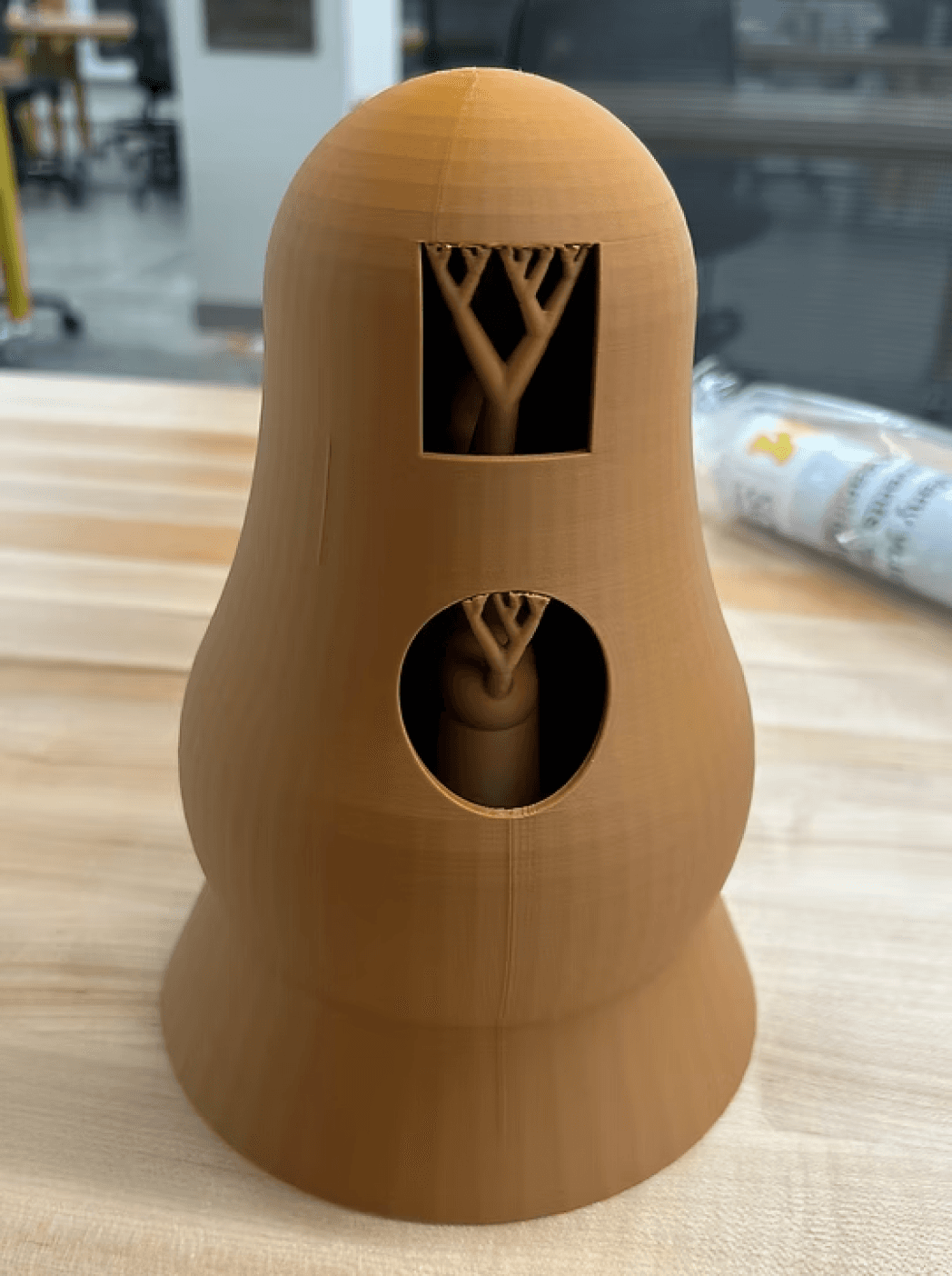
Our team heavily brainstormed on how to fit the circuit system into Tato's "body" to ensure a seamless design. Cardboard was the perfect practice material.

Value of wizard of Oz

Due to our team's CS skill level, we chose to emulate certain features—like motion-sensing and speech recognition—for a realistic demonstration.

Team-building

Our team developed collaboration and communication skills that enhanced our project workflow and encouraged divergent and convergent thinking. Diversity of skillset was our strength.
More Projects

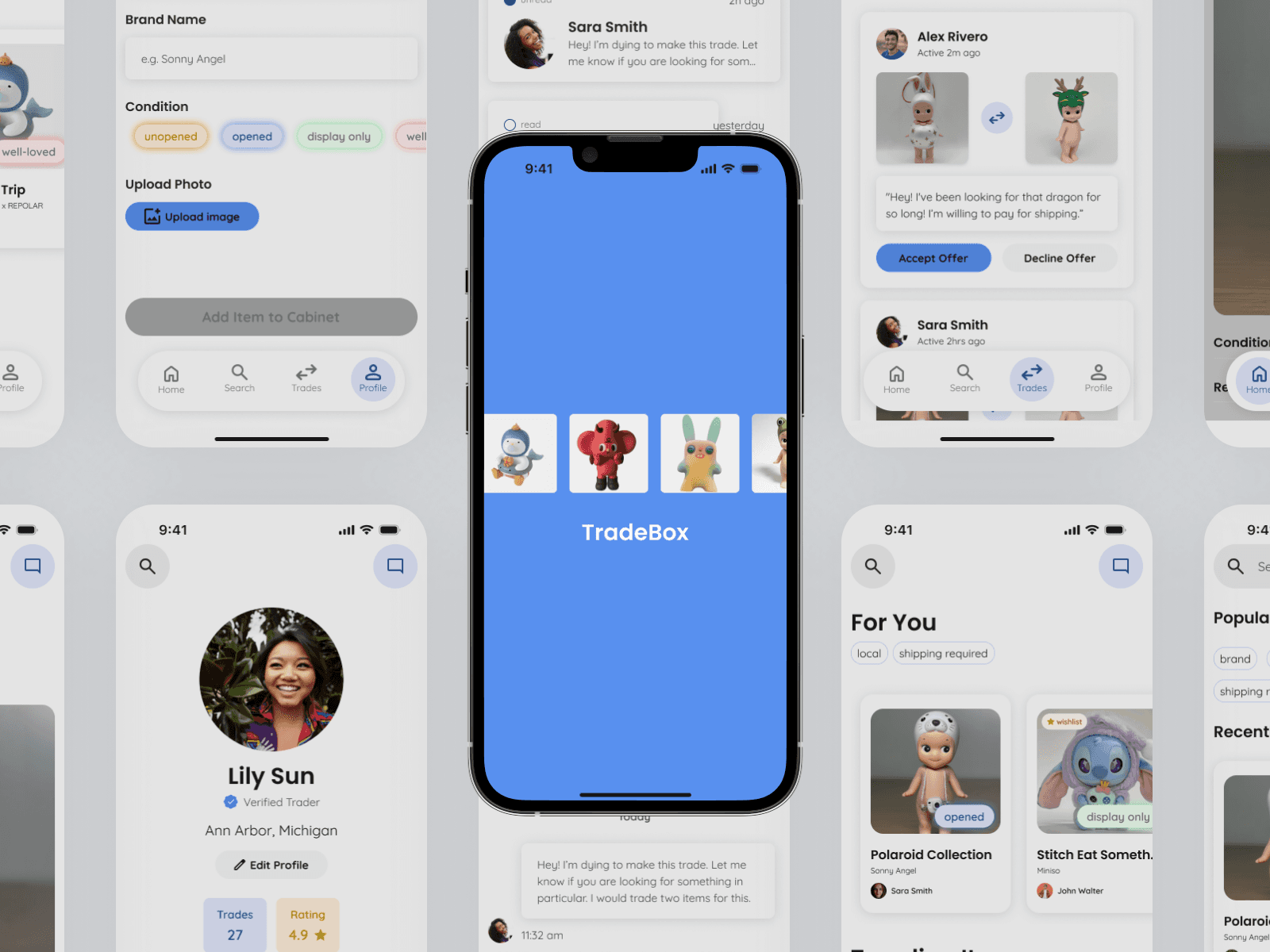
TradeBox: Blind Box Trading

A no-cost trading platform for blind box enthusiasts to trade items.

View project

Tato: Smart book companion

An AI-powered companion that helps children reconnect with reading.

View project

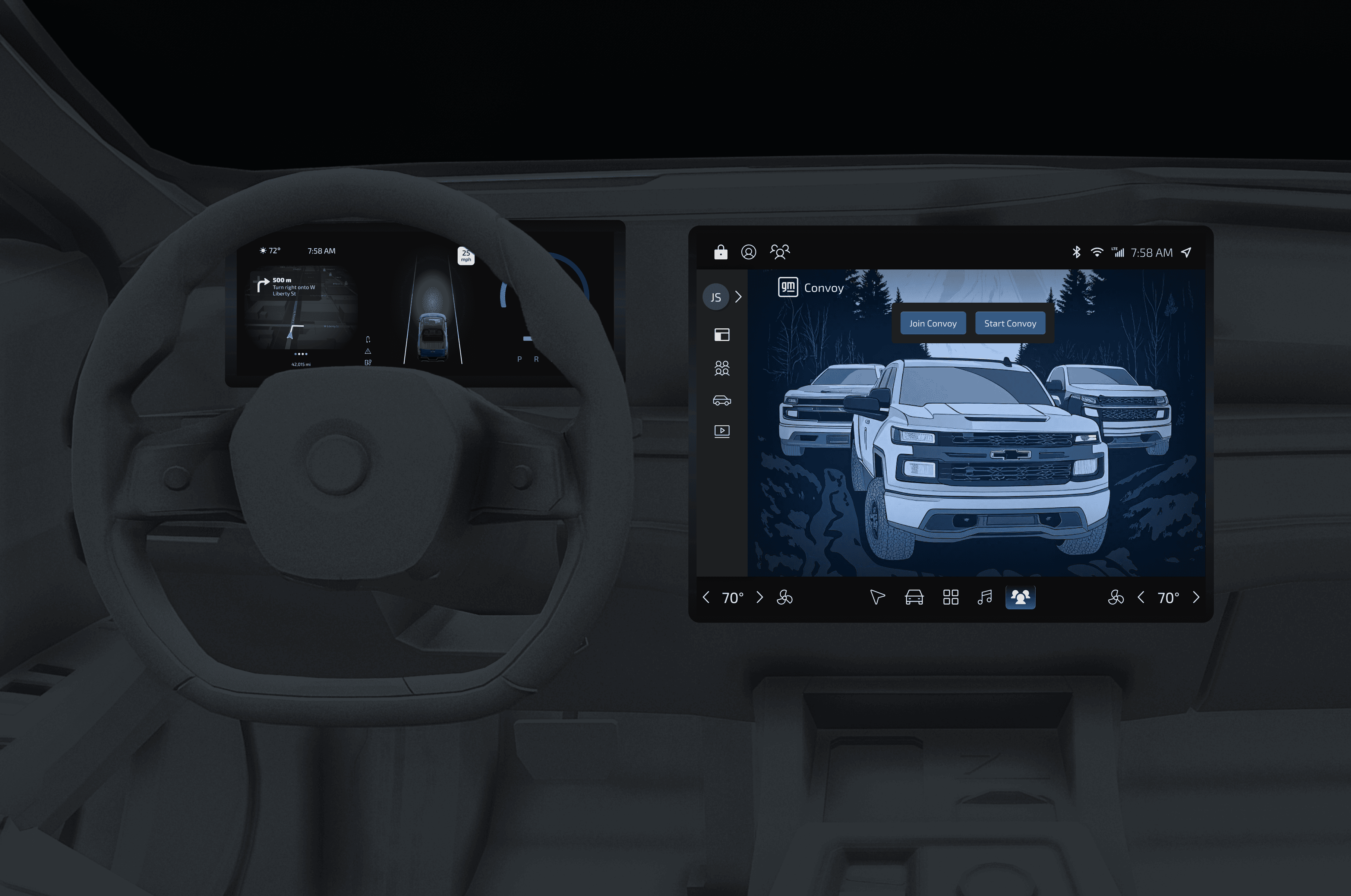
Digital Design for Silverado EV

Next-gen infotainment concept to encourage connection on group drive.

View project

Redesigning MPLP Website

A website overhaul to improve resource finding for Michigan legal aid attorneys.

View project

Sara Carrier

copyright © 2026